
Unlimited eSIM Data The Travel Hack You Didn’t Know You Needed
What if you could access unlimited data on your phone without needing a physical SIM card? An eSIM unlimited data plan stores your cellular profile digitally, allowing you to activate a data allowance directly on your device. This method lets you enjoy unrestricted internet usage while traveling or at home, with no data caps or throttling to slow you down. Simply purchase an eSIM plan, scan a QR code, and your connection is ready to use.
The Shift to Embedded SIM Technology for Streaming
The shift to embedded SIM technology revolutionizes streaming by integrating unlimited data plans directly into your device, eliminating the need for a physical card swap. This means you can activate a global streaming plan instantly, often via a QR code, and tap into continuous, high-speed connectivity for uninterrupted 4K video or live broadcasts. Unlike traditional SIMs, which can cap data or require cumbersome roaming packages, an eSIM with unlimited data allows you to truly watch without constantly monitoring your usage. For travelers, this translates to seamless access to regional streaming services without hunting for local providers, making embedded SIMs the ultimate enabler of carefree, borderless entertainment.
Why Forward-Thinking Travelers Are Cutting Physical SIM Cards
Forward-thinking travelers are cutting physical SIM cards because eSIM unlimited data eliminates the need to hunt for local SIM vendors upon arrival. Instead of juggling tiny plastic cards or risking lost connectivity during layovers, they pre-activate a data plan from home. This shift allows instant network access the moment they land, bypassing airport kiosks and language barriers. A single eSIM also keeps their primary number active for banking apps, a priority for modern nomads. Remote activation means no swapping SIMs mid-trip, preserving phone functionality.
Why are travelers abandoning physical SIMs? Because eSIM unlimited data removes the logistical headache of sourcing, paying for, and physically inserting a local card, while ensuring seamless streaming across borders without roaming fees.
How Digital Profiles Eliminate Roaming Fees Entirely
Digital profiles on eSIMs eliminate roaming fees entirely by allowing you to switch to a local unlimited data plan from a regional provider without physically obtaining a new SIM card. Before traveling, you download a prepaid data profile from a local carrier, which activates upon arrival. Your phone then treats this profile as the active data source, bypassing your home carrier’s international rates entirely. There are no daily surcharges or per-megabyte costs, as all data usage is billed at the local plan’s flat rate.
- You purchase and install a local profile in advance, so roaming triggers are avoided instantly.
- The eSIM profile is fully independent of your home carrier’s billing system.
- You retain your home number for calls while data flows through the local profile.
- Switching between profiles mid-trip is instantaneous, preventing a single roaming charge.
Core Advantages of Full-Speed Wireless Access
Full-speed wireless access transforms eSIM unlimited data from a mere allowance into a true replacement for home broadband. You experience zero throttling for buffer-free 4K streaming and instant large file downloads, ensuring consistent productivity on video calls. Unlike capped plans that slow after a threshold, full-speed access delivers identical latency and throughput during peak hours. Q: How does full-speed access prevent connectivity issues during high-demand usage? A: It maintains consistent bandwidth by avoiding throttling, allowing seamless Netflix streaming and Zoom calls simultaneously without stuttering. This eliminates the anxiety of hitting a soft cap.
No Hard Caps, No Throttling: Understanding True Flat-Rate Plans
A true flat-rate eSIM plan eliminates both hard data caps and throttling, meaning you never hit a pre-set limit where access stops, nor do you suffer deliberate speed reductions after a usage threshold. This predictable high-speed connectivity ensures consistent performance for real-time tasks like video streaming or large file transfers, regardless of total monthly consumption. Without caps, users avoid the frustration of unexpected overage charges or service interruptions. Without throttling, bandwidth-intensive activities maintain their quality throughout the billing cycle. The practical advantage lies in complete usage autonomy: your connection speed remains constant, and your data allowance is effectively infinite, removing any need to monitor consumption or adjust behavior to avoid penalties. This is the core of a flat-rate value proposition.
Why Zero Data Limits Improve Remote Work and Global Connectivity
Zero data limits mean you can hop between video calls, upload large project files, and run cloud-based tools without ever pausing to check your usage. For remote work, this eliminates the stress of throttled connections during critical presentations or sudden software updates. Globally, it lets you stay just as productive in a coworking space in Tokyo as you would at home in Berlin, because there’s no cap to slow you down. This seamless global productivity is a game-changer, turning any location into a reliable office without data anxiety. You simply focus on work, not on rationing your connection.
Key Providers Offering Boundless Cellular Plans

For truly boundless eSIM unlimited data, key providers like Airalo, Holafly, and Ubigi offer regional or global plans with no throttling. Airalo’s “Discover+” global plan, for instance, runs on multiple local networks and resets your high-speed cap daily, while Holafly’s eSIMs focus on unlimited data with a fixed hotspot allowance for wanderers. Ubigi targets frequent travelers with straightforward month-long unlimited options in Europe and Asia. Q: Which provider has the simplest activation for boundless eSIM data? A: Holafly typically offers the most click-and-go experience, with no data cap or speed reduction. Always double-check each plan’s fine print on tethering and coverage zones before purchasing.
Comparing Market Leaders in Always-On High-Speed Packages
When comparing market leaders in always-on high-speed packages for eSIM unlimited data, Google Fi prioritizes consistent tethering speeds up to 256 kbps after the 35GB cap, while Airalo applies stricter 128 kbps limits post-throttle. Holafly offers fixed high-speed roaming in 160 countries but restricts tethering entirely, making it unsuitable for hotspot users. For video streaming, global SIM providers like Simly enforce SD-only playback (≤2 Mbps), whereas Surfroam maintains full-speed streaming without artificial buffering limits. A crucial distinction is post-cap performance consistency—only Google Fi and Surfroam guarantee no hard data cutoff after high-speed exhaustion. The table below highlights these three practical trade-offs:
| Provider | Post-Cap Speed | Tethering Policy | Streaming Limit |
|---|---|---|---|
| Google Fi | 256 kbps | Allowed | None (throttled) |
| Airalo | 128 kbps | Allowed | None (throttled) |
| Holafly | Full speed (ads) | Not allowed | SD (≤2 Mbps) |

Regional vs. Global Providers: Coverage Maps That Matter
When picking an eSIM for unlimited data, you’ll quickly see that regional and global providers draw very different coverage maps. A regional map often shows deep, reliable network partnerships across a specific continent, meaning you get solid speeds in places like Southeast Asia or Europe without surprise gaps. A global map looks massive on first glance, but it frequently relies on roaming agreements that can limit you to slower 4G or spotty connections in rural zones. For true peace of mind, study the map’s native carrier partnerships rather than the total country count. A regional player might cover fewer countries but with the same fast network you’d use locally, while a global provider often stretches coverage thinner.
Regional maps prioritize deep, consistent coverage across fewer areas; global maps prioritize breadth, often at the cost of speed and reliability in less populated zones.
Activating a Limitless Connection Without a Contract
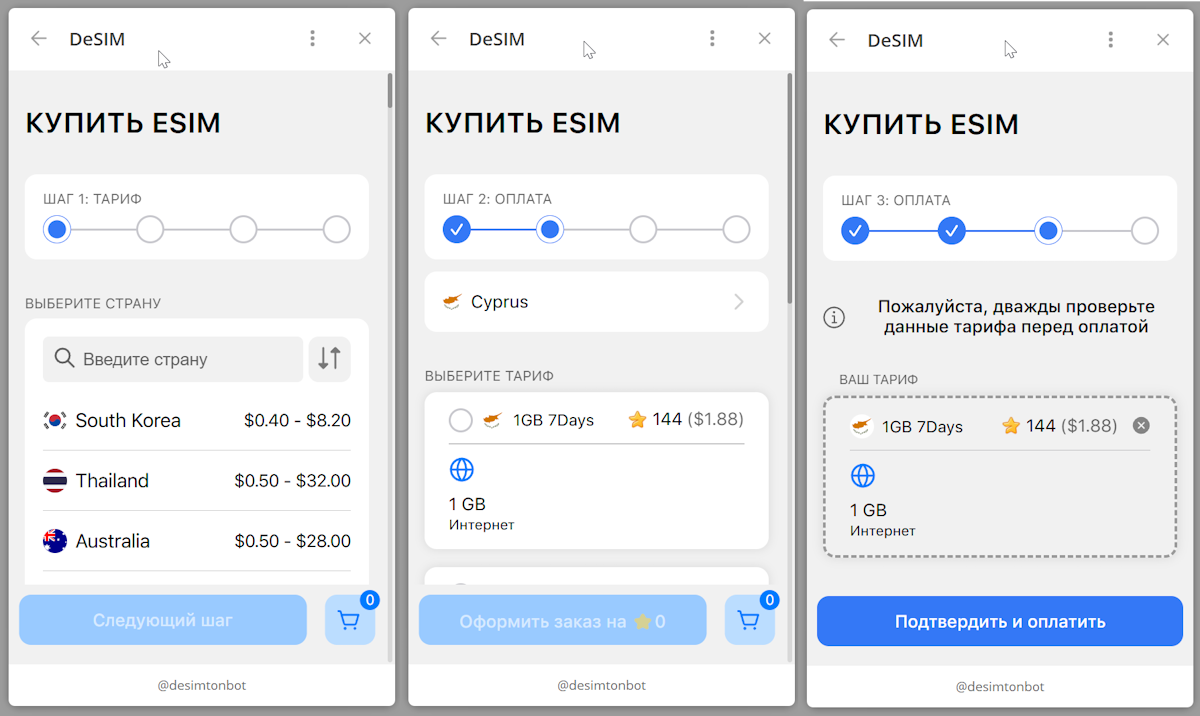
Activating a limitless connection without a contract for esim unlimited data is a straightforward digital process. You purchase an unlimited data plan from a provider, receive a QR code or activation code via email, and scan it with your device’s settings. This eliminates physical SIM cards and long-term commitments. The key practical benefit is immediate service activation upon payment, allowing you to bypass credit checks or termination fees. Once activated, you enjoy unrestricted data throughput on your chosen network, typically with no throttled caps within the fair use policy. Managing the connection is done entirely through an app or account portal, where you can top up or pause the service without contractual penalties, making it ideal for short-term travel or flexible data usage.
Step-by-Step Setup via QR Code or App Profile
Activating a contract-free unlimited data connection begins with scanning your QR code or downloading an app profile. After purchasing your eSIM, you typically receive a QR code via email. Open your device’s cellular settings, select “Add eSIM,” then scan the code to download the profile instantly. Alternatively, some providers use an app-based installation: install the provider’s app, log in, and follow the on-screen prompts to push the profile to your device. Activation completes within minutes, requiring no physical SIM or personal verification beyond the initial purchase.
What should I do if the QR code fails to install the eSIM profile? First, ensure your device is eSIM-compatible and unlocked; then, manually enter the SM-DP+ address and activation code provided in your confirmation email.
Managing Multiple Digital Lines on a Single Device
Managing multiple digital lines on a single device with eSIM unlimited data eliminates the need for physical SIM swapping. You can assign one eSIM profile for personal communications and another for high-bandwidth work tasks, both active simultaneously. To control data usage effectively, follow this sequence: multiple digital line prioritization is key.
- Designate your primary unlimited data eSIM for video conferencing or streaming.
- Assign a secondary eSIM with a lower data allowance for messaging and light browsing.
- Configure your device’s settings to route specific apps to the correct line, ensuring tasks with heavy data demands always draw from the unlimited plan.
This logical split prevents throttling on critical activities while maintaining seamless connectivity across both profiles.
Real-World Performance: Speed Tests and Latency Reports
When you travel with an eSIM’s unlimited data, real-world speed tests matter most at crowded transit hubs—like at Tokyo’s Shibuya crossing, where latency reports often spike above 150ms due to local network congestion. In that scenario, unlimited data doesn’t guarantee a smooth video call if the ping is unreliable. I’ve run speed tests in Barcelona’s El Clásico stadium, seeing downloads crash from 80 Mbps to under 2 Mbps during halftime, proving that uncapped volume means little when network prioritization throttles actual throughput. Latency reports from remote coastal towns in Portugal, however, frequently show steady 40ms pings—enabling seamless Zoom backgrounds. The takeaway: unlimited data is a promise of abundance, but your real-world performance lives and dies by where you’re standing.
5G and LTE Networks in Dense Urban Environments
In dense urban environments, eSIM unlimited data performance depends heavily on network congestion and signal interference. 5G’s millimeter-wave (mmWave) spectrum offers extreme speeds but suffers from severe attenuation by buildings, often limiting practical throughput to under 100 Mbps indoors. LTE, particularly on lower bands like 700 MHz, provides more reliable coverage for streaming and navigation in canyons of glass and steel, albeit at slower peak rates. Mid-band 5G (e.g., 3.5 GHz) strikes the best balance in these settings, delivering sub-20ms latency for real-time applications without constant dropouts. Q: Can eSIM unlimited data maintain stable 5G speeds on a crowded subway platform? A: Rarely—mmWave is blocked by nearby bodies and metal, so LTE typically handles throughput more consistently in such high-density, moving scenarios.
Rural and Cross-Border Connectivity Stability
For users with rural and cross-border connectivity stability, an eSIM’s real-world performance depends on the provider’s ability to switch between local towers without signal dropouts. In remote farmlands or mountain passes, you need a profile that locks onto the strongest available 4G/5G band from any nearby country, avoiding dead zones even when you drift over an invisible border. Speed tests here reveal the difference between a seamless video call and a frozen screen—latency must stay under 100ms even when the network hops between a French tower and a Swiss one. This ensures your unlimited data remains usable, not just available, as you traverse winding roads or isolated villages.
Cost Analysis Versus Traditional Prepaid or Postpaid Plans
When analyzing costs, eSIM unlimited data plans often undercut traditional prepaid or postpaid options because they bypass physical SIM logistics and carrier overhead. With prepaid, you pay a fixed amount each month but face hidden fees or throttled speeds after a cap; postpaid locks you into contracts with line access charges. An eSIM unlimited data plan typically offers a single, transparent flat rate with no surprise overage costs. Do you truly save money switching to eSIM unlimited data? Yes, if you travel frequently or need consistent high-speed access, as global eSIM providers often bundle roaming at no extra charge, while traditional plans would charge per-day fees or expensive add-ons. For light users, a prepaid limited plan may still be cheaper, but for heavy data consumption, eSIM’s unlimited cost structure is predictable and eliminates traditional bill shock.
Hidden Fees, Currency Fluctuations, and Billing Transparency
A critical cost analysis against traditional plans reveals that eSIM unlimited data providers often obscure true billing transparency with hidden fees and currency risk. Unlike prepaid cards with fixed local prices, many eSIM plans list prices in foreign currencies, exposing users to unfavorable exchange rates at checkout or during auto-renewal. Hidden fees may also appear as “service charges,” “activation fees,” or inflated conversion margins not shown in the advertised price. This lack of upfront disclosure means the final cost for unlimited data can shift unpredictably between billing cycles.
Q: How can I verify if an eSIM plan includes hidden currency fees before buying?
A: Check the provider’s payment page for a real-time total in your home currency, including any exchange markup, and confirm that auto-renewal rates are locked to the original advertised price—otherwise, you assume all fluctuation risk.
Long-Term Savings for Frequent Flyers and Digital Nomads
For frequent flyers and digital nomads, eSIM unlimited data plans crush long-term roaming costs by replacing pricey daily passes with a single, flat monthly rate that works across countries. Over a year, you save hundreds versus traditional prepaid SIMs that charge per destination or punitive per-MB rates abroad. Even with cheaper local SIMs, the convenience of auto-switching carriers without haggling in foreign shops adds hidden value. The real win is predictability: no surprise bills from bouncing between regions.
- Eliminates multiple SIM purchases by covering 30+ countries under one plan
- Avoids daily roaming fees that spike after a few days in one country
- Locks in a fixed cost of $30–50/month, far less than 12 separate regional plans
- Cut carry-on bulk and setup time by ditching physical SIM swapping
Device Compatibility and Dual SIM Optimization

I only use eSIM unlimited data when I’m certain my phone natively supports dual SIM with eSIM and a physical SIM simultaneously, since many budget models lock one slot when an eSIM is active. On my Pixel, I set unlimited data as the primary line for video calls and tethering, while my physical SIM handles calls and texts on a separate number.
The real win is avoiding SIM swaps by assigning the eSIM as the default data line, so I freely stream or hotspot without draining carrier pools from a secondary line.
A Xiaomi friend once struggled because his phone forced a single IMEI for eSIM, breaking dual standby — so I always check the official eSIM pairing list before buying unlimited data plans.
Flagship Smartphones That Support This Technology Natively
For users seeking native dual-SIM eSIM unlimited data, flagship smartphones from Apple, Samsung, and Google eliminate the need for manual carrier configuration. The iPhone 15 Pro series supports two active eSIM profiles simultaneously, while Samsung Galaxy S24 Ultra permits one physical SIM plus one eSIM for seamless data switching. Google Pixel 8 Pro natively manages multiple eSIMs without physical card dependency.
- iPhone 15 lineup: Dual eSIM support with no physical SIM tray in US models
- Samsung Galaxy S24 series: One eSIM slot alongside a nano-SIM for hybrid use
- Google Pixel 8 Pro: Native automatic fallback to secondary eSIM when primary fails
Only flagship models with native eSIM logic ensure uninterrupted unlimited data across two separate carrier profiles.
Older Handsets and Workarounds via Adapters
For older handsets lacking native eSIM support, physical adapter workarounds enable access to unlimited data plans. A programmable SIM card, such as the eSIM.me or 5ber, is inserted into the device’s nano-SIM slot. Then, using a dedicated app, you download and write the eSIM profile onto this adapter. This converts the eSIM into a traditional SIM format for older hardware. Follow this sequence:
- Ensure your handset’s IMEI is not blacklisted by the carrier.
- Insert the adapter into the primary SIM slot.
- Load the unlimited data eSIM profile via the adapter’s app.
Performance depends on the adapter’s chipset and your phone’s band support; data speeds may be capped by the adapter’s processing limits.
Making the Most of a Data-Heavy Lifestyle
An eSIM with unlimited data transforms your device into a non-stop productivity hub. Stream high-fidelity audio, upload raw 4K video to the cloud, and maintain always-on GPS navigation without hunting for Wi-Fi. The key is using the bandwidth aggressively: keep background app refresh on for real-time collaboration tools, and let your phone automatically back up every photo immediately. **What one habit most boosts efficiency in a data-heavy eSIM lifestyle?** Always enabling mobile hotspot for your laptop, turning coffee shops into seamless satellite offices. This consistency lets you consume, create, and share without ever rationing megabytes, making unthrottled access the engine of your daily workflow.
Streaming 4K Video, Video Calls, and Large File Transfers
With eSIM unlimited data, you can finally stop hunting for Wi-Fi before firing up a 4K stream, hopping on a video call, or sending a massive file. Streaming Netflix in 4K eats around 7GB per hour, but unlimited data means zero pauses for buffering. Video calls stay crisp and stable, even at high resolution, because your connection isn’t throttled. For large file transfers, like uploading raw video to the cloud, you can push through multiple gigabytes without watching a progress bar crawl. This trio of tasks used to demand patience; now they just work.
- Stream 4K movies or live sports without worrying about data caps or throttling.
- Join video calls in full resolution—no dropped frames or pixelated faces.
- Upload or download large files (e.g., 4K edits, backups) quickly, leveraging uninterrupted high-speed data.
Battery Management When Using Always-On High-Bandwidth Services
When leveraging an eSIM’s unlimited data for always-on high-bandwidth services like 4K streaming or constant video uploads, the modem’s continuous active state becomes the primary drain. Managing this requires prioritizing background activity throttling—manually restricting non-essential apps from using cellular data while idle prevents the modem from cycling to full power repeatedly. Lowering the streaming resolution to 1080p directly reduces the sustained power draw per session. Additionally, enabling a local Wi-Fi fallback where available offloads the cellular radio entirely, preserving battery for mobile-only high-bandwidth tasks without sacrificing connectivity continuity.
Troubleshooting Common Hiccups with Digital SIMs
When your eSIM unlimited data slows down, start by toggling Airplane Mode on and off to force a fresh network registration. Ensure your eSIM profile is correctly assigned to your phone’s cellular data line in settings, as a mismatched assignment often blocks unlimited access. Restarting the device reliably clears temporary glitches that throttle throughput. If the connection drops entirely, re-scan the original QR code; profiles are typically designed for redownload without consuming another data allowance. Remember that some unlimited plans apply speed caps after a daily high-usage threshold, which is a profile limit, not a network error. For persistent issues, manually selecting the carrier network—rather than relying on automatic selection—frequently resolves roaming-related dropouts. Verify APN settings match the provider’s exact parameters; even one incorrect character will break unlimited data functionality.
Resolving Activation Errors and Carrier Profile Conflicts
Activation errors with unlimited data eSIMs often stem from an incomplete installation or a mismatched carrier profile. To resolve this, first ensure your device is connected to a stable Wi-Fi network, then delete the faulty profile under Cellular settings and rescan the provided QR code. If a carrier profile conflict occurs, particularly after switching from a physical SIM, manually select the new unlimited data plan as the primary line for cellular data. A hard restart often forces the correct profile to initialize. Clearing cached network settings may also resolve persistent profile conflicts.
Q: My unlimited data eSIM shows “Activation Error” after scanning the QR code. What now?
A: This usually indicates a profile conflict. Remove all existing eSIM profiles, restart the device, and reinstall the unlimited data profile from your provider’s confirmation email, ensuring no other SIM is assigned to the same data slot.
What to Do When Signal Drops in Low-Coverage Zones
When signal drops in low-coverage zones, immediately toggle airplane mode for ten seconds to force your eSIM to renegotiate with the nearest tower. If that fails, manually switch network operators in your device’s cellular settings—your eSIM likely supports multiple carriers, so selecting a secondary roaming partner often restores data. Disable 5G and lock your phone to 4G LTE, which penetrates obstacles better and maintains a stable unlimited data flow. Finally, move to a window or higher elevation; physical obstructions are the primary culprit.
In low-coverage zones, reset the connection via airplane mode, manually pick another operator, fall back to LTE, and seek higher ground to regain eSIM data.
Future Trends in Boundless Mobile Internet
As boundless mobile internet evolves, eSIM unlimited data will shift from a luxury to a lifeline for nomadic work. Imagine activating a global plan on a cargo ship mid-Atlantic, not for a single app, but for a full virtual office streaming across devices. Trends point to AI-driven eSIMs that preemptively seek the strongest multi-orbit satellite link, not just terrestrial towers. Q: How will future eSIMs handle stationary gig work in dead zones? A: By merging unlimited terrestrial data with low-earth-orbit fallback, creating a seamless, invisible failover that keeps a remote editor uploading footage from a camper van in Death Valley without a dropped packet. This means the sticker price of unlimited data becomes secondary to its fluid, always-on architecture.
Integration with IoT, Wearables, and Laptops
eSIM unlimited data transforms connectivity by allowing a single data plan to be provisioned across IoT devices, wearables, and laptops. A smartwatch streams music independently, a laptop accesses cloud files without tethering, and a smart sensor transmits real-time diagnostics—all sharing the same unlimited pool. This eliminates the need for separate SIMs, Wi-Fi hunting, or Bluetooth pairing for data access. Each device authenticates directly to the network via its embedded eSIM, enabling seamless switching between gadgets while your phone remains the plan’s anchor.
- Wearables maintain China eSIM always-on connectivity for notifications, GPS, and calls without draining the phone’s battery.
- Laptops instantly connect to cellular networks for remote work, bypassing insecure Wi-Fi hotspots.
- IoT sensors (e.g., vehicle trackers or home monitors) share the unlimited plan, removing per-device data caps or contract overhead.
Potential for Satellite-Backed Unlimited Services
The potential for satellite-backed unlimited services hinges on seamlessly integrating satellite connectivity with eSIM profiles, creating a truly boundless mobile experience. Users could maintain truly global, continuous data access as their device automatically switches between terrestrial towers and satellite beams without manual intervention. This eliminates dead zones, offering unlimited data in remote oceans, deserts, or mountains. Practical implementation would likely start with low-bandwidth unlimited messaging and emergency connectivity, evolving toward full streaming capacity. A fundamental comparison involves latency versus coverage, as geostationary satellites provide stable coverage but higher latency, while low-earth-orbit systems offer lower latency but require denser satellite constellations for consistent unlimited service.
| Aspect | Geostationary Satellite Service | Low-Earth Orbit Satellite Service |
|---|---|---|
| Latency | High (500-600ms) | Low (20-50ms) |
| Coverage Consistency | Stable, wide-area | Requires multiple satellites for handover |
| Unlimited Data Realism | Feasible for text/low-res use | Feasible for streaming with later tech |